
Insights
Expert advice on Ontario property taxes, CRA compliance, and investment growth.

Business Finance
Are Ontario Small Business Grants Taxable? A Complete Guide for Ontario Business Owners
Yes, most Ontario small business grants are taxable income and must be reported on your business tax return in the...
Read Article →
Bookkeeping
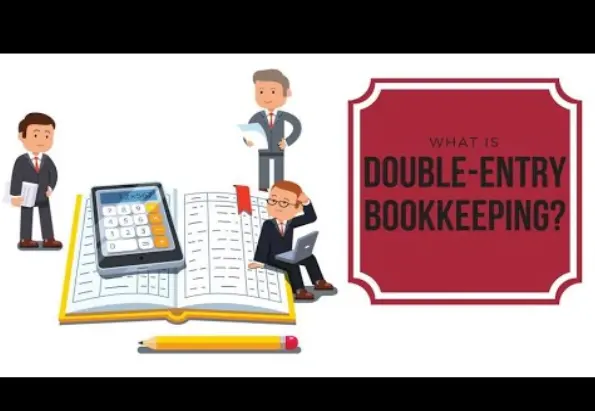
What Is Double-Entry Bookkeeping? A Simple Explanation for Canadian Business Owners
Double-entry bookkeeping is a 500-year-old accounting system where every financial transaction is recorded in 2 accounts, one debit and one...
Read Article →
Bookkeeping
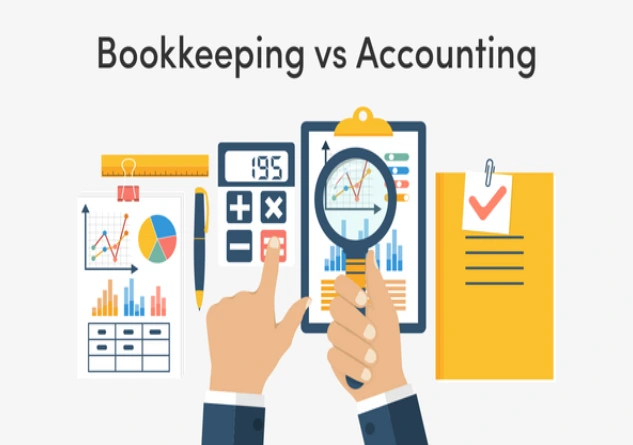
Is Bookkeeping Easier Than Accounting? A Canadian Business Owner’s Guide
If you’re running a business in Kitchener, Waterloo, or Cambridge and spending hours on your own books, you’ve probably asked...
Read Article →

Bookkeeping
Do Bookkeepers Reconcile Bank Accounts? A 5-Step Process Guide
Bookkeepers reconcile bank accounts; it is a core monthly responsibility, not an optional add-on. Every professional bookkeeper compares your internal...
Read Article →

Bookkeeping
Should Your Bookkeeper Have Access to Your Bank Account? (7 Rules for Safe View-Only Access)
Granting your bookkeeper access to your business bank account is appropriate, but it should be restricted to view-only or limited...
Read Article →

Bookkeeping
Bookkeeping Service Rates in Canada: 2026 Pricing Guide (Hourly vs Monthly)
Bookkeeping services in Canada cost $300–$2,000/month for most small businesses, or $30–$90/hour for freelance bookkeepers. Specialized bookkeeping firms start at...
Read Article →
Bookkeepers reconcile bank accounts; it is a core monthly responsibility, not an optional add-on. Every professional bookkeeper compares your internal financial records against your bank statements...
Granting your bookkeeper access to your business bank account is appropriate, but it should be restricted to view-only or limited permissions, not full administrative access. The right access level...
Bookkeeping services in Canada cost $300–$2,000/month for most small businesses, or $30–$90/hour for freelance bookkeepers. Specialized bookkeeping firms start at $500/month and scale past $2,000 for...
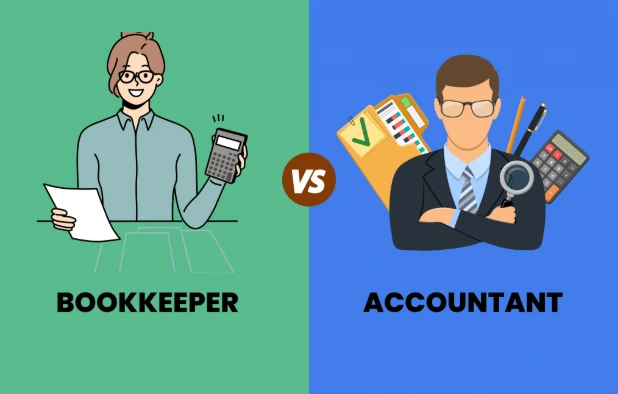
Bookkeepers record, reconcile, and maintain daily financial transactions. Accountants interpret those records for tax planning, compliance, and strategic decisions. The right choice depends on your...

Bookkeeping is the day-to-day recording and organizing of financial transactions, while accounting uses those records to interpret results, prepare reports, and support compliance and decision-making...

CRA charges a late-filing penalty of 5% of the unpaid tax due on the filing deadline, plus 1% for each complete month the T2 return is late, up to a maximum of 12 months. (Penalties for failing to...

Corporate tax filing in Canada is the process of preparing and submitting a T2 Corporation Income Tax Return (T2 return) to the Canada Revenue Agency (CRA) for each corporate tax year (fiscal period)...
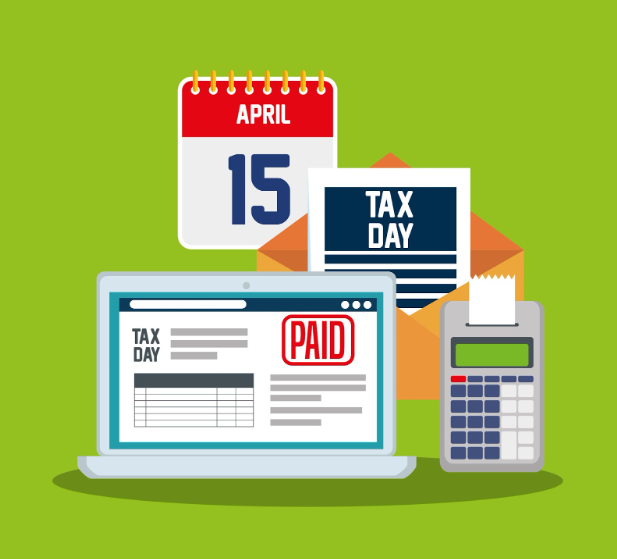
The T2 Corporation Income Tax Return must be filed within six months after the end of each fiscal period. If your fiscal year-end falls on the last day of a month, file by the last day of the sixth...

Canadian corporations must file their T2 Corporation Income Tax Return within 6 months after their tax year-end, pay their balance owing within 2 months (or 3 months for eligible CCPCs), and remit...